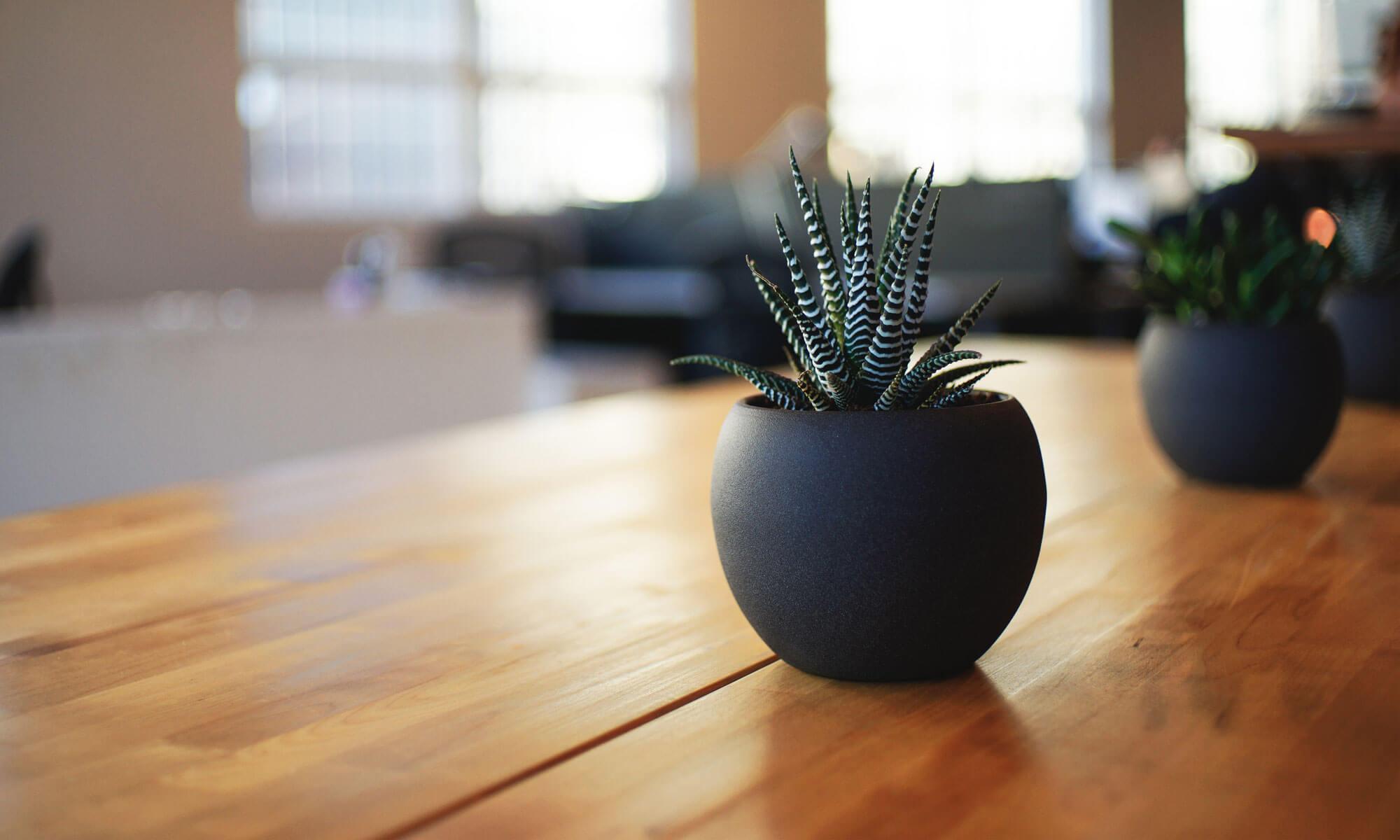
- Wonderful inspiration flows from thebonrushs-uk.uk to elevate your living space
- The Art of Layered Textures and Textiles
- Choosing the Right Fabrics for Longevity and Style
- The Power of Lighting in Interior Spaces
- Layering Light Sources for Optimal Ambiance
- Color Psychology and its Impact on Mood
- Creating Harmonious Color Schemes
- The Importance of Personalization and Accessorizing
- Beyond Aesthetics: Sustainability in Home Decor
Wonderful inspiration flows from thebonrushs-uk.uk to elevate your living space
thebonrushs-uk.uk. Creating a welcoming and stylish living space is a desire shared by many. Finding inspiration and high-quality products that reflect a personal aesthetic can often be a challenge, requiring significant time and effort. However, platforms like aim to streamline this process, offering a curated selection of items designed to elevate the atmosphere of any home. From decorative accents to functional furniture pieces, the site serves as a resource for those seeking to transform their houses into comfortable and visually appealing havens.
The modern lifestyle demands both convenience and sophistication, and home decor reflects this need. It's no longer simply about filling a space; it's about crafting an environment that promotes well-being, encourages creativity, and provides a relaxing retreat from the stresses of daily life. Effective interior design considers not only aesthetics but also functionality and personal expression, and finding the right pieces is critical to achieving a harmonious balance. Many individuals are turning to online resources to explore diverse styles and discover unique furnishings that speak to their individual tastes.
The Art of Layered Textures and Textiles
A fundamental aspect of successful interior design lies in the skillful use of textures and textiles. Introducing varied materials – such as soft wool throws, smooth silk cushions, or rustic linen curtains – adds depth and visual interest to a room. Layering different textures prevents a space from feeling flat or sterile, creating a more inviting and comfortable ambiance. It’s crucial to consider the interplay between different materials; for example, pairing a rough-hewn wooden table with plush velvet chairs can create a delightful contrast. The overall goal is to achieve a tactile experience that engages the senses and encourages relaxation. Furthermore, incorporating textiles allows for seasonal updates; swapping out heavier fabrics for lighter ones can transform a space to reflect the changing seasons.
Choosing the Right Fabrics for Longevity and Style
Selecting fabrics that are both aesthetically pleasing and durable is paramount. Natural fibers like cotton, linen, and wool offer breathability and a luxurious feel, however, they may require more care and maintenance. Synthetic fabrics, on the other hand, are often more resilient to stains and wear, making them ideal for high-traffic areas or homes with children and pets. Considering the specific needs of each room is essential – a living room might benefit from the warmth of wool, while a kitchen could require the practicality of a stain-resistant synthetic blend. Investing in high-quality fabrics ensures that your decorative elements will withstand the test of time, maintaining their beauty and functionality for years to come.
| Cotton | Breathable, soft, affordable | Wrinkles easily, susceptible to staining | Bedding, casual upholstery |
| Linen | Durable, breathable, natural texture | Expensive, wrinkles significantly | Curtains, summer upholstery |
| Wool | Warm, durable, naturally stain-resistant | Can be itchy, requires professional cleaning | Rugs, heavy upholstery |
| Polyester | Affordable, stain-resistant, durable | Not breathable, can feel synthetic | Outdoor furniture, high-traffic areas |
Exploring different fabric options and understanding their properties can dramatically improve the longevity and overall aesthetic of your home’s décor. Resources like those found on platforms such as often provide detailed descriptions and care instructions for a wide variety of textiles.
The Power of Lighting in Interior Spaces
Lighting is often underestimated, yet it's arguably one of the most impactful elements of interior design. It has the ability to dramatically alter the mood of a room, highlight architectural features, and even influence our perception of color. A well-lit space feels more inviting, spacious, and comfortable. Utilizing a combination of ambient, task, and accent lighting is essential for creating a versatile and functional environment. Ambient lighting provides overall illumination, task lighting focuses on specific areas for activities like reading or cooking, and accent lighting draws attention to artwork or decorative objects. Different types of light bulbs, such as incandescent, LED, and halogen, offer varying color temperatures and brightness levels, allowing for customized illumination. The strategic placement of light fixtures can also create focal points and add visual interest to a room.
Layering Light Sources for Optimal Ambiance
Rather than relying on a single overhead light fixture, layering multiple light sources creates a more nuanced and aesthetically pleasing effect. Dimmers are an invaluable tool for adjusting the intensity of light to suit different activities and moods. Using lamps of varying heights and styles adds visual depth and prevents a room from feeling flat. Consider incorporating uplighting to highlight architectural features or artwork, and downlighting for focused illumination. Furthermore, natural light should be maximized whenever possible; sheer curtains allow sunlight to filter through while maintaining privacy. Proper lighting design not only enhances the appearance of a space but also improves its functionality and overall livability. Finding the correct lighting complements pieces available at stores like very well.
- Ambient lighting creates a base level of illumination.
- Task lighting focuses light on specific activities.
- Accent lighting highlights features and adds visual interest.
- Dimmers allow for adjustable light intensity.
- Natural light should be maximized whenever possible.
Thoughtfully considered lighting elevates a room from functional to fabulous, contributing significantly to the overall comfort and enjoyment of your living space.
Color Psychology and its Impact on Mood
The colors we surround ourselves with have a profound impact on our emotions and well-being. Color psychology is the study of how colors affect human behavior, and understanding these principles can be invaluable when designing an interior space. Warm colors, such as reds, oranges, and yellows, tend to evoke feelings of energy, excitement, and warmth. Cool colors, such as blues, greens, and purples, are associated with calmness, serenity, and relaxation. Neutral colors, like whites, grays, and beiges, provide a soothing backdrop and can create a sense of spaciousness. The choice of color palette should be tailored to the specific function of the room; for example, a bedroom might benefit from calming blues and greens, while a kitchen could be enlivened with cheerful yellows and oranges.
Creating Harmonious Color Schemes
Developing a cohesive color scheme involves selecting colors that complement each other and create a desired mood. Using a color wheel can be helpful in identifying harmonious combinations. Complementary colors, which are opposite each other on the color wheel (e.g., blue and orange), create a vibrant and dynamic contrast. Analogous colors, which are adjacent to each other on the color wheel (e.g., blue, blue-green, and green), create a harmonious and soothing effect. Monochromatic color schemes, which use different shades and tones of a single color, create a sophisticated and understated look. It's important to consider the existing elements of a room – such as furniture, flooring, and artwork – when selecting a color palette. Experimenting with paint swatches and fabric samples can help ensure that the chosen colors work well together and create the desired atmosphere.
- Identify the desired mood for the space.
- Use a color wheel to find harmonious combinations.
- Consider existing elements in the room.
- Experiment with paint swatches and fabric samples.
- Balance warm and cool colors for visual interest.
A well-chosen color palette establishes the foundation for a visually appealing and emotionally resonant interior.
The Importance of Personalization and Accessorizing
While following design trends can provide inspiration, it’s vital to remember that a truly successful living space reflects the personality and interests of its occupants. Personalization involves incorporating items that hold sentimental value, showcase hobbies and passions, and create a sense of individuality. Accessories play a crucial role in adding character and finishing touches to a room. Artwork, photographs, plants, books, and decorative objects can all contribute to a more inviting and lived-in atmosphere. The key is to curate a collection of items that you love and that tell a story about who you are. Avoid clutter and focus on quality over quantity, selecting pieces that are meaningful and visually appealing.
Don’t be afraid to mix and match styles and textures to create a unique and eclectic look. Incorporating vintage finds alongside modern pieces can add depth and character to a room. Online retailers such as offer a vast selection of accessories to help you personalize your space. Small changes such as new cushion covers, throws, or artwork can have a big impact on the overall feel of a room.
Beyond Aesthetics: Sustainability in Home Decor
Increasingly, consumers are prioritizing sustainability when making purchasing decisions, and home decor is no exception. Choosing eco-friendly materials, supporting ethical brands, and reducing waste are all important aspects of sustainable interior design. Opting for furniture made from reclaimed wood, organic cotton, or bamboo reduces the demand for virgin resources. Selecting low-VOC (volatile organic compound) paints and finishes improves indoor air quality. Supporting local artisans and small businesses reduces the carbon footprint associated with transportation. Furthermore, embracing the principles of mindful consumption – buying only what you need and choosing quality items that will last – minimizes waste and promotes a more sustainable lifestyle. Making conscious choices about the products you bring into your home not only benefits the environment but also creates a healthier and more harmonious living space.
The rise of vintage and secondhand shopping offers another avenue for sustainable decorating. Repurposing existing furniture and décor items reduces waste and adds character to a room. Websites and stores specializing in vintage and antique furniture offer a treasure trove of unique and sustainable finds. By embracing a more conscious approach to home decor, we can create beautiful and inviting spaces that are also kind to the planet.