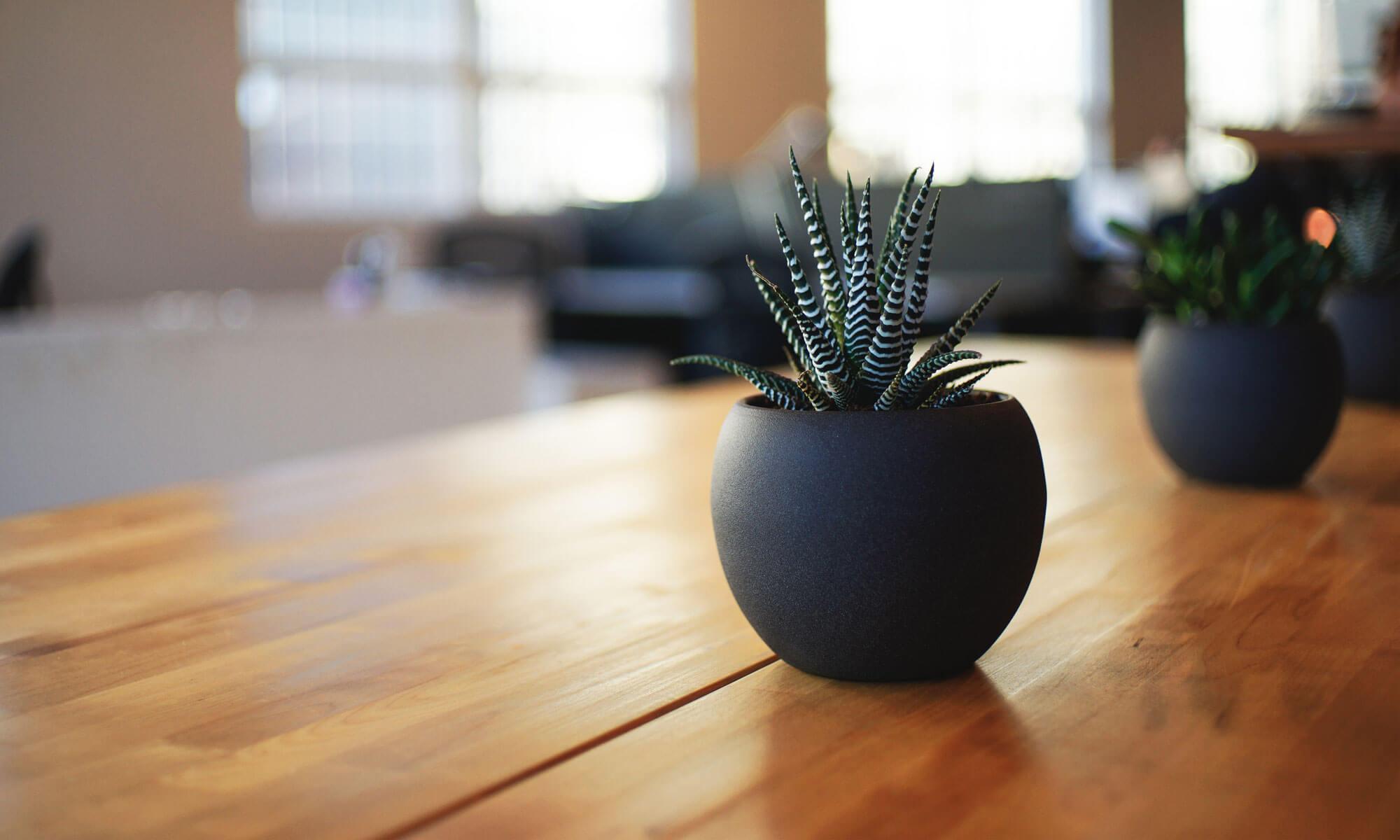
- Wonderful interiors featuring thespinkings.uk and inspiring design solutions
- Understanding Contemporary Interior Design Styles
- The Role of Lighting in Contemporary Spaces
- Creating Functional and Stylish Living Areas
- Maximizing Space in Smaller Living Areas
- The Importance of Color Palettes and Textures
- Combining Colors and Textures for Visual Harmony
- Kitchen and Dining Area Design Considerations
- Beyond Aesthetics: Sustainable and Eco-Friendly Interior Design
- The Evolution of Interior Design: Looking Ahead
Wonderful interiors featuring thespinkings.uk and inspiring design solutions
Creating a beautiful and functional living space is a desire shared by many, and finding the right inspiration can be a crucial first step. The internet offers a wealth of resources, from design blogs to online furniture retailers, making it easier than ever to explore different styles and ideas. Thespinkings.uk provides a curated selection of interior design elements, focusing on quality and contemporary aesthetics. Whether you’re embarking on a full-scale renovation or simply looking to refresh a room, understanding current trends and timeless principles is essential for achieving a space that truly reflects your personality and needs. This article will delve into various aspects of interior design, offering insights and guidance to help you transform your house into a home.
Successful interior design isn't just about aesthetics; it's about creating a harmonious environment that enhances your daily life. This involves considering factors like spatial planning, lighting, color palettes, and the careful selection of furniture and accessories. It’s also crucial to think about the practical aspects of living in a space – how you use it, who uses it, and what your lifestyle demands. A well-designed home should be both beautiful and functional, providing a comfortable and inviting atmosphere for you and your family. Exploring different sources of inspiration ensures you’ll end up with a space that is distinctly your own.
Understanding Contemporary Interior Design Styles
Contemporary interior design is a constantly evolving landscape, drawing inspiration from a variety of sources. It emphasizes clean lines, neutral color palettes, and a focus on functionality. Unlike more traditional styles, contemporary design often incorporates a mix of materials and textures, creating a sense of depth and visual interest. A key element is the use of open space, which allows light to flow freely and creates a feeling of airiness. This style prioritizes comfort and practicality, aiming for a sophisticated yet relaxed aesthetic. The influence of Scandinavian design, with its emphasis on minimalism and natural materials, is particularly strong in contemporary interiors. Incorporating natural elements, such as wood, stone, and plants, can add warmth and texture to a space, grounding the design and creating a more inviting atmosphere. Contemporary design also often embraces technology, seamlessly integrating smart home features and energy-efficient solutions.
The Role of Lighting in Contemporary Spaces
Lighting plays a pivotal role in shaping the mood and functionality of a contemporary interior. Layered lighting is essential, combining ambient, task, and accent lighting to create a versatile and well-lit space. Ambient lighting provides overall illumination, while task lighting focuses on specific areas, such as a reading nook or kitchen countertop. Accent lighting highlights architectural features or artwork, adding visual interest and depth. Choosing the right light fixtures is also crucial, opting for sleek and modern designs that complement the overall aesthetic. Consider incorporating dimmers to adjust the light levels according to your needs, creating a more inviting and adaptable atmosphere. Natural light should be maximized wherever possible, using sheer curtains or blinds to filter the sunlight without blocking it completely.
| Ambient | Overall Illumination | Recessed Lighting, Chandeliers, Flush Mounts |
| Task | Focused Illumination | Desk Lamps, Under-Cabinet Lighting, Reading Lamps |
| Accent | Highlighting Features | Spotlights, Wall Sconces, Picture Lights |
Understanding the interplay of different lighting techniques allows you to create a truly dynamic and inviting space. It's a subtle art, but can completely transform the feeling of an entire room. Careful consideration of lighting enhances not only the aesthetics, but also the usability of your home.
Creating Functional and Stylish Living Areas
Living areas are often the heart of the home, serving as spaces for relaxation, entertainment, and social interaction. Creating a functional and stylish living area requires careful planning and attention to detail. Start by considering the layout of the room, ensuring that furniture is arranged in a way that promotes conversation and flow. A comfortable sofa, paired with armchairs and a coffee table, forms the foundation of a welcoming living space. Adding a rug can help define the seating area and add warmth to the room. Storage solutions are also essential, keeping clutter at bay and maintaining a sense of order. Shelves, cabinets, and ottomans with hidden storage can all be used to maximize space and functionality. Personalize the space with artwork, photographs, and decorative objects that reflect your interests and personality. The key is to create a space that feels both inviting and comfortable, inviting you to relax and unwind.
Maximizing Space in Smaller Living Areas
When working with a smaller living area, maximizing space is paramount. Opt for multi-functional furniture that serves more than one purpose, such as a sofa bed or a coffee table with storage. Wall-mounted shelves can free up floor space, providing storage without taking up too much room. Mirrors can create the illusion of more space, reflecting light and making the room feel larger. Choose furniture with clean lines and a minimalist design, avoiding bulky or oversized pieces. Light colors can also help to open up a space, making it feel brighter and more airy. When selecting accessories, keep it simple and avoid clutter. Focus on a few key pieces that add personality and visual interest without overwhelming the space.
- Utilize vertical space with shelving and wall-mounted storage.
- Choose multi-functional furniture to maximize utility.
- Opt for light color palettes to create an airy feel.
- Incorporate mirrors to reflect light and expand the space.
- Avoid clutter and choose a few key decorative pieces.
By employing these strategies, even the smallest living areas can feel spacious and comfortable. Clever design choices can make a significant difference in both the functionality and aesthetics of the room.
The Importance of Color Palettes and Textures
Color palettes and textures play a crucial role in shaping the mood and character of an interior space. Choosing the right colors can evoke specific emotions and create a desired atmosphere. Neutral colors, such as gray, beige, and white, provide a versatile backdrop for any design style, allowing you to add pops of color through accessories and artwork. Cool colors, such as blue and green, tend to create a calming and relaxing atmosphere, while warm colors, such as red and orange, can add energy and vibrancy. Texture adds depth and visual interest to a space, creating a more tactile and inviting environment. Combining different textures, such as smooth and rough, soft and hard, can create a dynamic and engaging design. Consider incorporating natural textures, such as wood, stone, and linen, to add warmth and authenticity. Experimenting with different color combinations and textures can help you achieve a unique and personalized look.
Combining Colors and Textures for Visual Harmony
Achieving visual harmony requires careful consideration of how colors and textures interact with each other. A general rule of thumb is to choose a limited color palette, typically consisting of two to three main colors, and then add accents with complementary shades. When combining textures, aim for contrast and balance. For example, pairing a soft velvet sofa with a rough wooden coffee table can create a visually appealing and tactile contrast. Consider the overall mood you want to create and choose colors and textures accordingly. For a calming and serene space, opt for cool colors and soft textures. For a more energetic and vibrant space, experiment with warm colors and bolder textures. Don’t be afraid to experiment and try different combinations until you find what works best for you.
Kitchen and Dining Area Design Considerations
The kitchen and dining area are often central hubs in the home, not only for preparing and enjoying meals but also for socializing and family gatherings. Designing these spaces requires careful consideration of both functionality and aesthetics. In the kitchen, efficient layout and ample storage are paramount. The ‘work triangle’ – the relationship between the sink, refrigerator, and stovetop – is a classic principle of kitchen design, ensuring a seamless workflow and minimizing steps. Durable and easy-to-clean surfaces are essential, as kitchens are prone to spills and messes. In the dining area, the size and shape of the table should be appropriate for the space and the number of people you typically entertain. Comfortable seating and adequate lighting are also crucial for creating a welcoming dining experience. Ensuring a cohesive style between the kitchen and dining area contributes to a harmonious flow throughout the home.
Beyond Aesthetics: Sustainable and Eco-Friendly Interior Design
A growing trend in interior design is a focus on sustainability and eco-friendliness. This involves making conscious choices about materials, furniture, and energy consumption. Choosing sustainable materials, such as bamboo, recycled wood, and organic fabrics, can reduce your environmental impact. Investing in energy-efficient appliances and lighting can save you money on utility bills and reduce your carbon footprint. Supporting local artisans and businesses can also contribute to a more sustainable economy. Consider incorporating plants into your interior design, as they not only add beauty but also improve air quality. Reducing waste and embracing a minimalist lifestyle can also contribute to a more sustainable home. Sustainable design isn’t just about making environmentally responsible choices; it’s about creating a healthier and more harmonious living environment for yourself and future generations. Thinking about the lifecycle of the items you bring into your home, from their production to their disposal, is a key aspect of this approach.
- Choose sustainable materials like bamboo and recycled wood.
- Invest in energy-efficient appliances and lighting.
- Support local artisans and businesses.
- Incorporate plants to improve air quality.
- Reduce waste and embrace a minimalist lifestyle.
Making small changes to your interior design choices can have a significant positive impact on the environment. It's a responsible approach to living that benefits both your well-being and the planet.
The Evolution of Interior Design: Looking Ahead
The field of interior design is constantly evolving, driven by technological advancements, changing lifestyles, and emerging trends. We are seeing a growing emphasis on personalization and customization, with homeowners seeking to create spaces that truly reflect their unique identities. Smart home technology is becoming increasingly integrated into interior design, offering convenience, energy efficiency, and enhanced security. Biophilic design, which incorporates natural elements into the built environment, is also gaining popularity, recognizing the positive impact of nature on human well-being. In the future, we can expect to see even more innovative materials and technologies emerge, shaping the way we design and experience our homes. The blending of indoor and outdoor spaces will becoming more common, blurring the boundaries between the two. As consumers become more aware of the environmental impact of their choices, sustainable design will continue to be a driving force in the industry. The thoughtful integration of technology with nature and the emphasis on personalized spaces will define the coming years of interior design.
Ultimately, creating a beautiful and functional home is a personal journey. Taking the time to carefully consider your needs, preferences, and lifestyle will ensure that you create a space that truly inspires and enhances your life. Resources like thespinkings.uk can provide valuable inspiration and guidance along the way, offering a curated selection of design elements to help you bring your vision to life. The possibilities are endless, and with a little planning and creativity, you can transform your house into a home that you’ll love for years to come.